

If you’ve ever asked yourself “tahini what is?”, you’re not alone. This creamy, nutty paste has become a global kitchen staple, yet many people are still discovering its rich history, health benefits, and incredible versatility.
Tahini is more than just an ingredient in hummus. It’s a nutrient-dense, plant-based powerhouse that plays a central role in Middle Eastern, Mediterranean, and modern fusion cuisines. In this comprehensive guide, we’ll explore what tahini is, how it’s made, its nutritional value, culinary uses, health benefits, storage tips, and much more.
By the end of this article, you’ll not only understand tahini what is, but you’ll also know exactly how to use it in your kitchen.
Tahini What Is?
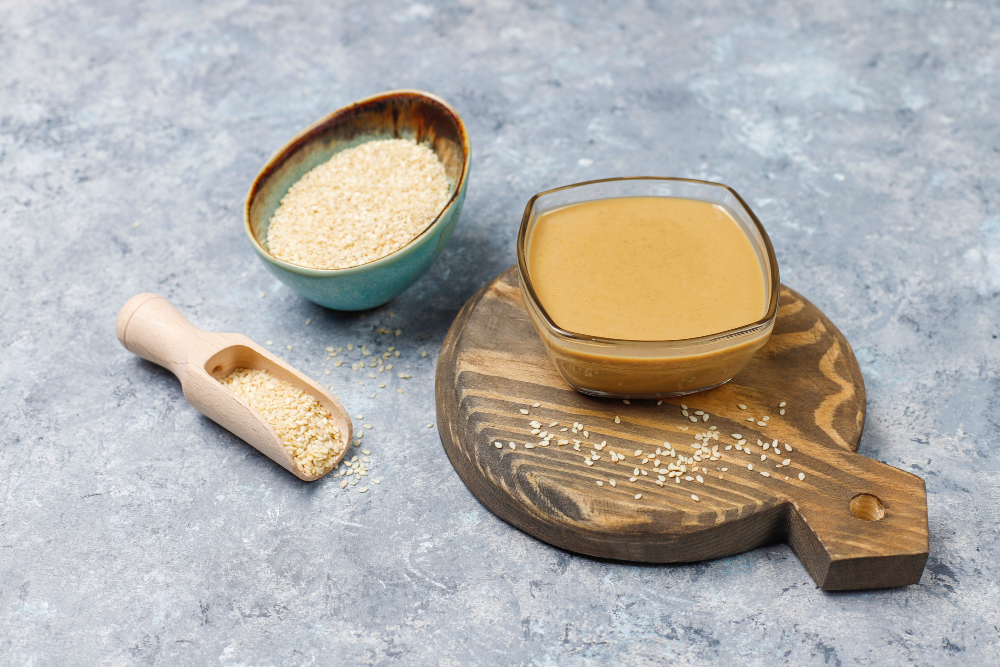
Tahini is a smooth paste made from ground sesame seeds. The seeds are usually hulled and lightly toasted before being blended into a thick, creamy consistency similar to peanut butter.
The word “tahini” comes from the Arabic word “ṭaḥīn”, meaning ground or milled. It has been a key ingredient in Middle Eastern cuisine for thousands of years and continues to be popular worldwide.
In simple terms:
Tahini = Ground Sesame Seeds + Natural Oils
That’s it. No complicated additives required.
Where Does Tahini Come From?
Tahini originates from the Middle East and Mediterranean regions. It’s commonly used in countries like:
- Lebanon
- Israel
- Turkey
- Greece
- Egypt
Over time, tahini has gained popularity in Western countries due to the rise of plant-based diets and global cuisine trends.
It’s famously used in dishes like hummus and baba ghanoush, but its applications go far beyond traditional recipes.
How Is Tahini Made?
Understanding the process helps answer the question “tahini what is” more clearly.
1. Harvesting Sesame Seeds
Sesame plants produce small seeds that are harvested and dried.
2. Hulling (Optional)
Some manufacturers remove the outer shell of the sesame seeds. Hulled tahini has a smoother texture and milder flavor, while unhulled tahini is darker and slightly bitter.
3. Roasting
The seeds are lightly toasted to enhance their nutty flavor.
4. Grinding
The roasted seeds are ground into a paste using high-powered mills or stone grinders.
The result is a silky, pourable paste with natural oil separation on top — which is completely normal.
Types of Tahini
Not all tahini is the same. Here are the main types:
1. Hulled Tahini
- Made from sesame seeds with shells removed
- Smooth and mild flavor
- Most common type
2. Unhulled Tahini
- Contains sesame seed shells
- Higher in fiber and nutrients
- Slightly more bitter taste
3. Raw Tahini
- Made from unroasted sesame seeds
- Lighter color
- More delicate flavor
4. Toasted Tahini
- Made from roasted sesame seeds
- Strong, nutty taste
- Darker in color
Each type answers the question “tahini what is” in slightly different ways depending on flavor and texture.
What Does Tahini Taste Like?
Tahini has a rich, nutty flavor with slightly bitter undertones. The taste can vary depending on whether the sesame seeds are hulled or roasted.
- Mild and creamy when fresh
- Deep and earthy when toasted
- Slight bitterness in unhulled versions
If you’ve only tasted tahini alone and found it strong, try mixing it with lemon juice, garlic, or honey — it transforms beautifully.
Nutritional Value of Tahini
If you’re wondering whether tahini is healthy, the answer is yes — in moderation.
Here’s what you typically get in 1 tablespoon (about 15 grams):
- Calories: 90
- Protein: 3 grams
- Fat: 8 grams (mostly healthy unsaturated fats)
- Fiber: 1–2 grams
- Calcium: Good source
- Iron: Moderate amount
- Magnesium: Present
Tahini is rich in:
- Healthy fats
- Plant-based protein
- Antioxidants
- Essential minerals
This makes it ideal for vegetarian and vegan diets.
Health Benefits of Tahini
Understanding tahini what is also means understanding what it does for your body.
1. Heart Health
Tahini contains unsaturated fats that support cardiovascular health.
2. Bone Strength
Sesame seeds are high in calcium and magnesium, supporting strong bones.
3. Plant-Based Protein
Tahini is an excellent source of protein for vegans and vegetarians.
4. Rich in Antioxidants
Sesame seeds contain lignans and other antioxidants that help reduce inflammation.
5. Supports Digestive Health
Especially unhulled tahini, which contains more fiber.
Popular Dishes That Use Tahini
Tahini is incredibly versatile. Here are some classic and modern dishes where it shines.
1. Hummus
A blend of chickpeas, tahini, lemon juice, garlic, and olive oil.
2. Baba Ghanoush
Smoky eggplant dip mixed with tahini and lemon.
3. Tahini Sauce
Mixed with lemon juice, garlic, salt, and water — perfect for falafel or grilled vegetables.
4. Salad Dressings
Tahini makes creamy dairy-free dressings.
5. Desserts
Used in cookies, brownies, and even ice cream.
How to Use Tahini in Everyday Cooking
If you’re new to tahini, start simple:
- Spread it on toast with honey
- Add to smoothies for creaminess
- Stir into oatmeal
- Drizzle over roasted vegetables
- Mix into yogurt
You can also use tahini as a peanut butter substitute if you have nut allergies (though sesame allergies exist too).
Is Tahini the Same as Sesame Paste?
Many people ask if tahini and sesame paste are the same.
Technically, yes — but not always.
- Tahini is typically made from hulled, lightly roasted sesame seeds.
- Some Asian sesame pastes use heavily roasted seeds, giving a darker color and stronger flavor.
So while similar, the taste and texture may differ depending on origin.
How to Store Tahini
Proper storage keeps tahini fresh longer.
Unopened Jar
- Store in a cool, dry place
- Lasts several months
Opened Jar
- Refrigerate for longer shelf life
- Stir well before each use
Oil separation is normal. Simply stir until smooth again.
How to Make Tahini at Home
You can easily make tahini with just sesame seeds.
Ingredients:
- 2 cups sesame seeds
- 2–3 tablespoons neutral oil (optional)
Instructions:
- Lightly toast sesame seeds in a pan.
- Let cool.
- Blend in a food processor until smooth.
- Add oil if needed for smoother consistency.
Homemade tahini may be slightly thicker but tastes fresh and natural.
Common Mistakes When Using Tahini
If you’ve tried tahini and didn’t love it, here’s what might have gone wrong:
- Not stirring separated oil
- Using low-quality tahini
- Eating it plain without balancing flavors
- Adding too much at once
Tahini works best when balanced with acid (lemon) and salt.
Tahini in Vegan and Plant-Based Diets
Tahini has become a favorite in plant-based cooking because it:
- Replaces dairy in sauces
- Adds protein
- Provides creaminess without cream
- Enhances flavor naturally
It’s a key ingredient in many vegan cheese and sauce recipes.
Tahini vs Peanut Butter: What’s the Difference?
While both are creamy seed or nut pastes, they differ in several ways:
| Feature | Tahini | Peanut Butter |
|---|---|---|
| Source | Sesame Seeds | Peanuts |
| Taste | Nutty, slightly bitter | Sweet, nutty |
| Sugar | Usually none | Often added |
| Texture | More liquid | Thicker |
Tahini is less sweet and more versatile in savory dishes.
Is Tahini Gluten-Free?
Yes, tahini is naturally gluten-free because it’s made only from sesame seeds.
However, always check labels to ensure there’s no cross-contamination if you have celiac disease.
Why Is Tahini So Popular Now?
Tahini has gained popularity because:
- Plant-based diets are increasing
- Mediterranean diets are trending
- It’s nutrient-dense
- Social media food trends highlight it
Chefs around the world are incorporating tahini into both sweet and savory dishes.
Final Thoughts: Tahini What Is and Why You Should Try It
So, tahini what is?
It’s a creamy sesame seed paste packed with nutrients, history, and culinary potential. From ancient Middle Eastern kitchens to modern health-focused recipes, tahini has proven to be one of the most versatile and nourishing ingredients available.
Whether you use it in hummus, salad dressing, desserts, or smoothies, tahini adds depth, creaminess, and nutrition to any meal.