
Close Menu
    Facebook X (Twitter) Instagram
    Facebook X (Twitter) Instagram
    FlixHQ
    Button
    • Home
    • Movie
    • Reviews
    • Fashion
    • Health
    • Lifestyle
    • Sport
    • Tech
    FlixHQ
    Home»Tech»Virtual Reality Game Development Services: Transforming the Future of Gaming
    Tech

    Virtual Reality Game Development Services: Transforming the Future of Gaming

    Jonny LeoBy Jonny Leo
    Virtual Reality Game Development Services: Transforming the Future of Gaming The gaming industry has witnessed a monumental transformation over the past decade. With advancements in technology, traditional gaming experiences are no longer enough to captivate modern audiences. Enter virtual reality (VR) – a groundbreaking technology that immerses players in a fully interactive digital world. As the demand for VR experiences surges, virtual reality game development services have become indispensable for developers, businesses, and entertainment enthusiasts looking to create compelling, immersive experiences. What Are Virtual Reality Game Development Services? Virtual reality game development services refer to professional services offered by specialized companies or development teams that focus on creating immersive VR games. These services encompass a wide range of activities, including conceptualization, design, coding, testing, and deployment of VR games across various platforms. Unlike conventional game development, VR game development requires a deep understanding of 3D modeling, physics engines, real-time rendering, and user interaction design to ensure players feel genuinely present in the virtual environment. The Rising Popularity of VR Games Over the past few years, VR gaming has shifted from a niche market to mainstream entertainment. This growth can be attributed to several factors: Immersive Experience: VR games offer unparalleled immersion, allowing players to explore lifelike worlds and interact with them in real-time. Technological Advancements: Affordable VR headsets like Oculus Quest, PlayStation VR, and HTC Vive have made VR accessible to a broader audience. Diverse Gaming Genres: From horror to simulation and adventure games, VR technology enhances gameplay in ways traditional gaming cannot. Integration with Emerging Tech: VR games increasingly integrate with AI, motion sensors, and haptic feedback devices, making gameplay more realistic and engaging. Key Components of Virtual Reality Game Development Services Creating a successful VR game requires expertise in multiple areas. Here are the main components covered by virtual reality game development services: 1. Game Conceptualization and Storyboarding Every successful VR game starts with a robust concept. Developers collaborate with clients to outline the game’s narrative, characters, objectives, and environments. Storyboarding in VR is especially critical because it helps visualize 3D interactions and player movement within the virtual world. 2. 3D Modeling and Environment Design Unlike traditional games, VR demands highly detailed 3D models to enhance realism. This includes everything from character design to intricate virtual environments. 3D artists craft immersive worlds where every object, texture, and animation contributes to the player’s sense of presence. 3. Game Engine Integration VR game development heavily relies on advanced game engines like Unity and Unreal Engine. These platforms support VR-specific features such as stereoscopic rendering, spatial audio, and physics simulation, allowing developers to build highly interactive and lifelike experiences. 4. Programming and Interactivity Coding is the backbone of any VR game. Developers use programming languages like C++, C#, and Python to implement game mechanics, physics, and player interactions. Virtual reality game development services focus on intuitive controls, smooth motion, and responsive interactions to prevent motion sickness and ensure a seamless experience. 5. Testing and Quality Assurance Testing VR games goes beyond functionality; it ensures comfort, immersion, and engagement. Developers conduct rigorous QA testing to detect glitches, optimize performance, and refine interactions. This step is crucial as VR games must run flawlessly to maintain user immersion. 6. Deployment and Cross-Platform Optimization Modern VR games are often deployed across multiple platforms, including PC VR, standalone VR devices, and mobile VR headsets. Developers optimize performance, graphics, and controls to deliver consistent experiences regardless of the device. Advantages of Hiring Professional VR Game Development Services While some businesses attempt to develop VR games in-house, leveraging professional VR game development services provides several advantages: Expertise and Experience: Dedicated teams have the skills and experience necessary to deliver high-quality VR experiences. Cost-Effective: Outsourcing VR development reduces the need for extensive in-house resources and minimizes trial-and-error costs. Faster Time-to-Market: Professionals follow streamlined processes, ensuring faster delivery without compromising quality. Access to Latest Technology: Experienced VR developers utilize the newest tools, frameworks, and techniques to create cutting-edge games. Custom Solutions: Services can be tailored to meet unique requirements, whether for gaming, training simulations, or educational purposes. Emerging Trends in VR Game Development The VR gaming industry is constantly evolving, driven by innovation and user demand. Here are some notable trends: 1. Multiplayer VR Experiences Social interaction is becoming a key aspect of VR gaming. Multiplayer VR games allow players to collaborate, compete, and communicate in real-time, enhancing engagement and fostering communities. 2. AR and VR Hybrid Games Augmented reality (AR) is being combined with VR to create mixed-reality experiences. This fusion blurs the line between real and virtual worlds, offering unique gameplay possibilities. 3. AI-Driven Gameplay Artificial intelligence is enhancing VR experiences by enabling adaptive difficulty, smarter NPC behavior, and personalized gameplay based on player actions. 4. Haptic Feedback and Sensory Immersion Advanced haptic devices simulate touch, temperature, and vibration, adding another layer of realism. This trend makes VR games more interactive and memorable. 5. Cloud VR Gaming Cloud technology allows VR games to be streamed directly to devices, reducing hardware requirements and increasing accessibility. Players can enjoy high-quality VR experiences without investing in expensive headsets or PCs. Choosing the Right VR Game Development Service Provider Selecting the ideal service provider is critical for the success of your VR project. Here are some factors to consider: Portfolio and Experience: Review past projects to ensure the provider has experience in VR game development. Technical Expertise: Check if they are proficient in game engines, 3D modeling, AI integration, and cross-platform deployment. Customization Capabilities: Your provider should offer tailored solutions rather than generic game templates. Client Reviews and Testimonials: Feedback from previous clients reflects the reliability and quality of the services offered. Post-Launch Support: Ensure the provider offers ongoing support, updates, and maintenance for the game. Industries Leveraging VR Game Development Services While VR is widely associated with entertainment, its applications extend to various industries: Education and Training: Simulated VR environments provide safe, immersive learning experiences. Healthcare: VR games aid in therapy, rehabilitation, and pain management. Real Estate: VR property tours offer interactive walkthroughs for prospective buyers. Corporate Training: VR simulations prepare employees for complex tasks without real-world risks. Marketing and Advertising: Gamified VR experiences boost brand engagement and customer interaction. Future Outlook of VR Game Development The future of VR game development is incredibly promising. As technology advances, VR games will become more realistic, interactive, and accessible. We can expect: Greater adoption of AI and machine learning for smarter gameplay. Wider use of haptic suits and motion tracking devices for immersive experiences. Expansion of VR gaming into mainstream social and educational platforms. Increased integration with blockchain and NFTs for unique in-game assets and ownership. The growing demand for immersive experiences ensures that virtual reality game development services will continue to play a pivotal role in shaping the entertainment and technology landscape. Conclusion Virtual reality is no longer a futuristic concept—it is here, revolutionizing how we play, learn, and interact. Virtual reality game development services empower businesses and developers to create unforgettable immersive experiences that engage users like never before. By leveraging cutting-edge technology, skilled development teams, and innovative design, VR games are poised to redefine entertainment and open new avenues for creativity and business Virtual Reality Game Development Services: Transforming the Future of Gaming The gaming industry has witnessed a monumental transformation over the past decade. With advancements in technology, traditional gaming experiences are no longer enough to captivate modern audiences. Enter virtual reality (VR) – a groundbreaking technology that immerses players in a fully interactive digital world. As the demand for VR experiences surges, virtual reality game development services have become indispensable for developers, businesses, and entertainment enthusiasts looking to create compelling, immersive experiences. What Are Virtual Reality Game Development Services? Virtual reality game development services refer to professional services offered by specialized companies or development teams that focus on creating immersive VR games. These services encompass a wide range of activities, including conceptualization, design, coding, testing, and deployment of VR games across various platforms. Unlike conventional game development, VR game development requires a deep understanding of 3D modeling, physics engines, real-time rendering, and user interaction design to ensure players feel genuinely present in the virtual environment. The Rising Popularity of VR Games Over the past few years, VR gaming has shifted from a niche market to mainstream entertainment. This growth can be attributed to several factors: Immersive Experience: VR games offer unparalleled immersion, allowing players to explore lifelike worlds and interact with them in real-time. Technological Advancements: Affordable VR headsets like Oculus Quest, PlayStation VR, and HTC Vive have made VR accessible to a broader audience. Diverse Gaming Genres: From horror to simulation and adventure games, VR technology enhances gameplay in ways traditional gaming cannot. Integration with Emerging Tech: VR games increasingly integrate with AI, motion sensors, and haptic feedback devices, making gameplay more realistic and engaging. Key Components of Virtual Reality Game Development Services Creating a successful VR game requires expertise in multiple areas. Here are the main components covered by virtual reality game development services: 1. Game Conceptualization and Storyboarding Every successful VR game starts with a robust concept. Developers collaborate with clients to outline the game’s narrative, characters, objectives, and environments. Storyboarding in VR is especially critical because it helps visualize 3D interactions and player movement within the virtual world. 2. 3D Modeling and Environment Design Unlike traditional games, VR demands highly detailed 3D models to enhance realism. This includes everything from character design to intricate virtual environments. 3D artists craft immersive worlds where every object, texture, and animation contributes to the player’s sense of presence. 3. Game Engine Integration VR game development heavily relies on advanced game engines like Unity and Unreal Engine. These platforms support VR-specific features such as stereoscopic rendering, spatial audio, and physics simulation, allowing developers to build highly interactive and lifelike experiences. 4. Programming and Interactivity Coding is the backbone of any VR game. Developers use programming languages like C++, C#, and Python to implement game mechanics, physics, and player interactions. Virtual reality game development services focus on intuitive controls, smooth motion, and responsive interactions to prevent motion sickness and ensure a seamless experience. 5. Testing and Quality Assurance Testing VR games goes beyond functionality; it ensures comfort, immersion, and engagement. Developers conduct rigorous QA testing to detect glitches, optimize performance, and refine interactions. This step is crucial as VR games must run flawlessly to maintain user immersion. 6. Deployment and Cross-Platform Optimization Modern VR games are often deployed across multiple platforms, including PC VR, standalone VR devices, and mobile VR headsets. Developers optimize performance, graphics, and controls to deliver consistent experiences regardless of the device. Advantages of Hiring Professional VR Game Development Services While some businesses attempt to develop VR games in-house, leveraging professional VR game development services provides several advantages: Expertise and Experience: Dedicated teams have the skills and experience necessary to deliver high-quality VR experiences. Cost-Effective: Outsourcing VR development reduces the need for extensive in-house resources and minimizes trial-and-error costs. Faster Time-to-Market: Professionals follow streamlined processes, ensuring faster delivery without compromising quality. Access to Latest Technology: Experienced VR developers utilize the newest tools, frameworks, and techniques to create cutting-edge games. Custom Solutions: Services can be tailored to meet unique requirements, whether for gaming, training simulations, or educational purposes. Emerging Trends in VR Game Development The VR gaming industry is constantly evolving, driven by innovation and user demand. Here are some notable trends: 1. Multiplayer VR Experiences Social interaction is becoming a key aspect of VR gaming. Multiplayer VR games allow players to collaborate, compete, and communicate in real-time, enhancing engagement and fostering communities. 2. AR and VR Hybrid Games Augmented reality (AR) is being combined with VR to create mixed-reality experiences. This fusion blurs the line between real and virtual worlds, offering unique gameplay possibilities. 3. AI-Driven Gameplay Artificial intelligence is enhancing VR experiences by enabling adaptive difficulty, smarter NPC behavior, and personalized gameplay based on player actions. 4. Haptic Feedback and Sensory Immersion Advanced haptic devices simulate touch, temperature, and vibration, adding another layer of realism. This trend makes VR games more interactive and memorable. 5. Cloud VR Gaming Cloud technology allows VR games to be streamed directly to devices, reducing hardware requirements and increasing accessibility. Players can enjoy high-quality VR experiences without investing in expensive headsets or PCs. Choosing the Right VR Game Development Service Provider Selecting the ideal service provider is critical for the success of your VR project. Here are some factors to consider: Portfolio and Experience: Review past projects to ensure the provider has experience in VR game development. Technical Expertise: Check if they are proficient in game engines, 3D modeling, AI integration, and cross-platform deployment. Customization Capabilities: Your provider should offer tailored solutions rather than generic game templates. Client Reviews and Testimonials: Feedback from previous clients reflects the reliability and quality of the services offered. Post-Launch Support: Ensure the provider offers ongoing support, updates, and maintenance for the game. Industries Leveraging VR Game Development Services While VR is widely associated with entertainment, its applications extend to various industries: Education and Training: Simulated VR environments provide safe, immersive learning experiences. Healthcare: VR games aid in therapy, rehabilitation, and pain management. Real Estate: VR property tours offer interactive walkthroughs for prospective buyers. Corporate Training: VR simulations prepare employees for complex tasks without real-world risks. Marketing and Advertising: Gamified VR experiences boost brand engagement and customer interaction. Future Outlook of VR Game Development The future of VR game development is incredibly promising. As technology advances, VR games will become more realistic, interactive, and accessible. We can expect: Greater adoption of AI and machine learning for smarter gameplay. Wider use of haptic suits and motion tracking devices for immersive experiences. Expansion of VR gaming into mainstream social and educational platforms. Increased integration with blockchain and NFTs for unique in-game assets and ownership. The growing demand for immersive experiences ensures that virtual reality game development services will continue to play a pivotal role in shaping the entertainment and technology landscape. Conclusion Virtual reality is no longer a futuristic concept—it is here, revolutionizing how we play, learn, and interact. Virtual reality game development services empower businesses and developers to create unforgettable immersive experiences that engage users like never before. By leveraging cutting-edge technology, skilled development teams, and innovative design, VR games are poised to redefine entertainment and open new avenues for creativity and business opportunities..
    Virtual Reality Game Development Services: Transforming the Future of Gaming The gaming industry has witnessed a monumental transformation over the past decade. With advancements in technology, traditional gaming experiences are no longer enough to captivate modern audiences. Enter virtual reality (VR) – a groundbreaking technology that immerses players in a fully interactive digital world. As the demand for VR experiences surges, virtual reality game development services have become indispensable for developers, businesses, and entertainment enthusiasts looking to create compelling, immersive experiences. What Are Virtual Reality Game Development Services? Virtual reality game development services refer to professional services offered by specialized companies or development teams that focus on creating immersive VR games. These services encompass a wide range of activities, including conceptualization, design, coding, testing, and deployment of VR games across various platforms. Unlike conventional game development, VR game development requires a deep understanding of 3D modeling, physics engines, real-time rendering, and user interaction design to ensure players feel genuinely present in the virtual environment. The Rising Popularity of VR Games Over the past few years, VR gaming has shifted from a niche market to mainstream entertainment. This growth can be attributed to several factors: Immersive Experience: VR games offer unparalleled immersion, allowing players to explore lifelike worlds and interact with them in real-time. Technological Advancements: Affordable VR headsets like Oculus Quest, PlayStation VR, and HTC Vive have made VR accessible to a broader audience. Diverse Gaming Genres: From horror to simulation and adventure games, VR technology enhances gameplay in ways traditional gaming cannot. Integration with Emerging Tech: VR games increasingly integrate with AI, motion sensors, and haptic feedback devices, making gameplay more realistic and engaging. Key Components of Virtual Reality Game Development Services Creating a successful VR game requires expertise in multiple areas. Here are the main components covered by virtual reality game development services: 1. Game Conceptualization and Storyboarding Every successful VR game starts with a robust concept. Developers collaborate with clients to outline the game’s narrative, characters, objectives, and environments. Storyboarding in VR is especially critical because it helps visualize 3D interactions and player movement within the virtual world. 2. 3D Modeling and Environment Design Unlike traditional games, VR demands highly detailed 3D models to enhance realism. This includes everything from character design to intricate virtual environments. 3D artists craft immersive worlds where every object, texture, and animation contributes to the player’s sense of presence. 3. Game Engine Integration VR game development heavily relies on advanced game engines like Unity and Unreal Engine. These platforms support VR-specific features such as stereoscopic rendering, spatial audio, and physics simulation, allowing developers to build highly interactive and lifelike experiences. 4. Programming and Interactivity Coding is the backbone of any VR game. Developers use programming languages like C++, C#, and Python to implement game mechanics, physics, and player interactions. Virtual reality game development services focus on intuitive controls, smooth motion, and responsive interactions to prevent motion sickness and ensure a seamless experience. 5. Testing and Quality Assurance Testing VR games goes beyond functionality; it ensures comfort, immersion, and engagement. Developers conduct rigorous QA testing to detect glitches, optimize performance, and refine interactions. This step is crucial as VR games must run flawlessly to maintain user immersion. 6. Deployment and Cross-Platform Optimization Modern VR games are often deployed across multiple platforms, including PC VR, standalone VR devices, and mobile VR headsets. Developers optimize performance, graphics, and controls to deliver consistent experiences regardless of the device. Advantages of Hiring Professional VR Game Development Services While some businesses attempt to develop VR games in-house, leveraging professional VR game development services provides several advantages: Expertise and Experience: Dedicated teams have the skills and experience necessary to deliver high-quality VR experiences. Cost-Effective: Outsourcing VR development reduces the need for extensive in-house resources and minimizes trial-and-error costs. Faster Time-to-Market: Professionals follow streamlined processes, ensuring faster delivery without compromising quality. Access to Latest Technology: Experienced VR developers utilize the newest tools, frameworks, and techniques to create cutting-edge games. Custom Solutions: Services can be tailored to meet unique requirements, whether for gaming, training simulations, or educational purposes. Emerging Trends in VR Game Development The VR gaming industry is constantly evolving, driven by innovation and user demand. Here are some notable trends: 1. Multiplayer VR Experiences Social interaction is becoming a key aspect of VR gaming. Multiplayer VR games allow players to collaborate, compete, and communicate in real-time, enhancing engagement and fostering communities. 2. AR and VR Hybrid Games Augmented reality (AR) is being combined with VR to create mixed-reality experiences. This fusion blurs the line between real and virtual worlds, offering unique gameplay possibilities. 3. AI-Driven Gameplay Artificial intelligence is enhancing VR experiences by enabling adaptive difficulty, smarter NPC behavior, and personalized gameplay based on player actions. 4. Haptic Feedback and Sensory Immersion Advanced haptic devices simulate touch, temperature, and vibration, adding another layer of realism. This trend makes VR games more interactive and memorable. 5. Cloud VR Gaming Cloud technology allows VR games to be streamed directly to devices, reducing hardware requirements and increasing accessibility. Players can enjoy high-quality VR experiences without investing in expensive headsets or PCs. Choosing the Right VR Game Development Service Provider Selecting the ideal service provider is critical for the success of your VR project. Here are some factors to consider: Portfolio and Experience: Review past projects to ensure the provider has experience in VR game development. Technical Expertise: Check if they are proficient in game engines, 3D modeling, AI integration, and cross-platform deployment. Customization Capabilities: Your provider should offer tailored solutions rather than generic game templates. Client Reviews and Testimonials: Feedback from previous clients reflects the reliability and quality of the services offered. Post-Launch Support: Ensure the provider offers ongoing support, updates, and maintenance for the game. Industries Leveraging VR Game Development Services While VR is widely associated with entertainment, its applications extend to various industries: Education and Training: Simulated VR environments provide safe, immersive learning experiences. Healthcare: VR games aid in therapy, rehabilitation, and pain management. Real Estate: VR property tours offer interactive walkthroughs for prospective buyers. Corporate Training: VR simulations prepare employees for complex tasks without real-world risks. Marketing and Advertising: Gamified VR experiences boost brand engagement and customer interaction. Future Outlook of VR Game Development The future of VR game development is incredibly promising. As technology advances, VR games will become more realistic, interactive, and accessible. We can expect: Greater adoption of AI and machine learning for smarter gameplay. Wider use of haptic suits and motion tracking devices for immersive experiences. Expansion of VR gaming into mainstream social and educational platforms. Increased integration with blockchain and NFTs for unique in-game assets and ownership. The growing demand for immersive experiences ensures that virtual reality game development services will continue to play a pivotal role in shaping the entertainment and technology landscape. Conclusion Virtual reality is no longer a futuristic concept—it is here, revolutionizing how we play, learn, and interact. Virtual reality game development services empower businesses and developers to create unforgettable immersive experiences that engage users like never before. By leveraging cutting-edge technology, skilled development teams, and innovative design, VR games are poised to redefine entertainment and open new avenues for creativity and business opportunities.
    Share
    Facebook Twitter LinkedIn Pinterest Email

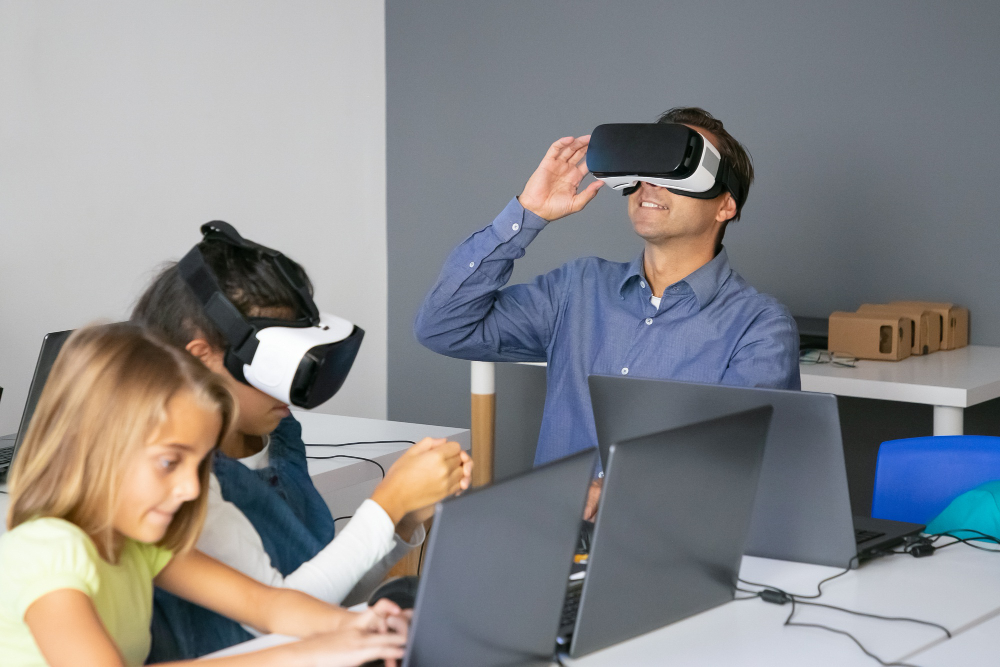
    The gaming industry has witnessed a monumental transformation over the past decade. With advancements in technology, traditional gaming experiences are no longer enough to captivate modern audiences. Enter virtual reality (VR) – a groundbreaking technology that immerses players in a fully interactive digital world. As the demand for VR experiences surges, virtual reality game development services have become indispensable for developers, businesses, and entertainment enthusiasts looking to create compelling, immersive experiences.

    What Are Virtual Reality Game Development Services?

    Virtual reality game development services refer to professional services offered by specialized companies or development teams that focus on creating immersive VR games. These services encompass a wide range of activities, including conceptualization, design, coding, testing, and deployment of VR games across various platforms. Unlike conventional game development, VR game development requires a deep understanding of 3D modeling, physics engines, real-time rendering, and user interaction design to ensure players feel genuinely present in the virtual environment.

    The Rising Popularity of VR Games

    Over the past few years, VR gaming has shifted from a niche market to mainstream entertainment. This growth can be attributed to several factors:

    1. Immersive Experience: VR games offer unparalleled immersion, allowing players to explore lifelike worlds and interact with them in real-time.
    2. Technological Advancements: Affordable VR headsets like Oculus Quest, PlayStation VR, and HTC Vive have made VR accessible to a broader audience.
    3. Diverse Gaming Genres: From horror to simulation and adventure games, VR technology enhances gameplay in ways traditional gaming cannot.
    4. Integration with Emerging Tech: VR games increasingly integrate with AI, motion sensors, and haptic feedback devices, making gameplay more realistic and engaging.

    Key Components of Virtual Reality Game Development Services

    Creating a successful VR game requires expertise in multiple areas. Here are the main components covered by virtual reality game development services:

    1. Game Conceptualization and Storyboarding

    Every successful VR game starts with a robust concept. Developers collaborate with clients to outline the game’s narrative, characters, objectives, and environments. Storyboarding in VR is especially critical because it helps visualize 3D interactions and player movement within the virtual world.

    See also  Email Login for Comcast.net: Complete Guide to Access, Troubleshoot, and Secure Your Account

    2. 3D Modeling and Environment Design

    Unlike traditional games, VR demands highly detailed 3D models to enhance realism. This includes everything from character design to intricate virtual environments. 3D artists craft immersive worlds where every object, texture, and animation contributes to the player’s sense of presence.

    3. Game Engine Integration

    VR game development heavily relies on advanced game engines like Unity and Unreal Engine. These platforms support VR-specific features such as stereoscopic rendering, spatial audio, and physics simulation, allowing developers to build highly interactive and lifelike experiences.

    4. Programming and Interactivity

    Coding is the backbone of any VR game. Developers use programming languages like C++, C#, and Python to implement game mechanics, physics, and player interactions. Virtual reality game development services focus on intuitive controls, smooth motion, and responsive interactions to prevent motion sickness and ensure a seamless experience.

    5. Testing and Quality Assurance

    Testing VR games goes beyond functionality; it ensures comfort, immersion, and engagement. Developers conduct rigorous QA testing to detect glitches, optimize performance, and refine interactions. This step is crucial as VR games must run flawlessly to maintain user immersion.

    6. Deployment and Cross-Platform Optimization

    Modern VR games are often deployed across multiple platforms, including PC VR, standalone VR devices, and mobile VR headsets. Developers optimize performance, graphics, and controls to deliver consistent experiences regardless of the device.

    Advantages of Hiring Professional VR Game Development Services

    While some businesses attempt to develop VR games in-house, leveraging professional VR game development services provides several advantages:

    • Expertise and Experience: Dedicated teams have the skills and experience necessary to deliver high-quality VR experiences.
    • Cost-Effective: Outsourcing VR development reduces the need for extensive in-house resources and minimizes trial-and-error costs.
    • Faster Time-to-Market: Professionals follow streamlined processes, ensuring faster delivery without compromising quality.
    • Access to Latest Technology: Experienced VR developers utilize the newest tools, frameworks, and techniques to create cutting-edge games.
    • Custom Solutions: Services can be tailored to meet unique requirements, whether for gaming, training simulations, or educational purposes.
    See also  Adenoidid: Understanding the Condition, Symptoms, and Treatment

    Emerging Trends in VR Game Development

    The VR gaming industry is constantly evolving, driven by innovation and user demand. Here are some notable trends:

    1. Multiplayer VR Experiences

    Social interaction is becoming a key aspect of VR gaming. Multiplayer VR games allow players to collaborate, compete, and communicate in real-time, enhancing engagement and fostering communities.

    2. AR and VR Hybrid Games

    Augmented reality (AR) is being combined with VR to create mixed-reality experiences. This fusion blurs the line between real and virtual worlds, offering unique gameplay possibilities.

    3. AI-Driven Gameplay

    Artificial intelligence is enhancing VR experiences by enabling adaptive difficulty, smarter NPC behavior, and personalized gameplay based on player actions.

    4. Haptic Feedback and Sensory Immersion

    Advanced haptic devices simulate touch, temperature, and vibration, adding another layer of realism. This trend makes VR games more interactive and memorable.

    5. Cloud VR Gaming

    Cloud technology allows VR games to be streamed directly to devices, reducing hardware requirements and increasing accessibility. Players can enjoy high-quality VR experiences without investing in expensive headsets or PCs.

    Choosing the Right VR Game Development Service Provider

    Selecting the ideal service provider is critical for the success of your VR project. Here are some factors to consider:

    • Portfolio and Experience: Review past projects to ensure the provider has experience in VR game development.
    • Technical Expertise: Check if they are proficient in game engines, 3D modeling, AI integration, and cross-platform deployment.
    • Customization Capabilities: Your provider should offer tailored solutions rather than generic game templates.
    • Client Reviews and Testimonials: Feedback from previous clients reflects the reliability and quality of the services offered.
    • Post-Launch Support: Ensure the provider offers ongoing support, updates, and maintenance for the game.
    See also  Soutaipasu: A Complete Guide to Understanding Its Meaning, Uses, and Growing Popularity

    Industries Leveraging VR Game Development Services

    While VR is widely associated with entertainment, its applications extend to various industries:

    • Education and Training: Simulated VR environments provide safe, immersive learning experiences.
    • Healthcare: VR games aid in therapy, rehabilitation, and pain management.
    • Real Estate: VR property tours offer interactive walkthroughs for prospective buyers.
    • Corporate Training: VR simulations prepare employees for complex tasks without real-world risks.
    • Marketing and Advertising: Gamified VR experiences boost brand engagement and customer interaction.

    Future Outlook of VR Game Development

    The future of VR game development is incredibly promising. As technology advances, VR games will become more realistic, interactive, and accessible. We can expect:

    • Greater adoption of AI and machine learning for smarter gameplay.
    • Wider use of haptic suits and motion tracking devices for immersive experiences.
    • Expansion of VR gaming into mainstream social and educational platforms.
    • Increased integration with blockchain and NFTs for unique in-game assets and ownership.

    The growing demand for immersive experiences ensures that virtual reality game development services will continue to play a pivotal role in shaping the entertainment and technology landscape.

    Conclusion

    Virtual reality is no longer a futuristic concept—it is here, revolutionizing how we play, learn, and interact. Virtual reality game development services empower businesses and developers to create unforgettable immersive experiences that engage users like never before. By leveraging cutting-edge technology, skilled development teams, and innovative design, VR games are poised to redefine entertainment and open new avenues for creativity and business opportunities.

    Related Posts

    What is a Gorlock? A Complete Guide

    Hydrahf: Revolutionizing the Future of Technology and Innovation

    YSC Field Map: The Ultimate Guide for Effective Field Management

    New Posts
    • What is a Gorlock? A Complete Guide
    • Hydrahf: Revolutionizing the Future of Technology and Innovation
    • YSC Field Map: The Ultimate Guide for Effective Field Management
    • Sp5der Clothes: The Ultimate Guide to Style, Comfort, and Streetwear Innovation
    • Virtual Reality Game Development Services: Transforming the Future of Gaming
    • Xfinity Connect.Email.Comcast.N: Your Ultimate Guide to Comcast Email Services
    • Why Does Robert Kennedy Talk Like He Does? A Deep Dive Into His Unique Speech Pattern
    • Race Survival Unblocked Games G+: The Ultimate Guide for Endless Fun
    • Available Support Hotline Numbers 5145876460 5145562422 8664739239 4509726595 4314461547
    • Document Report Insight: Calls From 4373707460, 5143752415, 4372445560, 4507710688, 4186595264
    Facebook X (Twitter) Instagram Pinterest
    • Home
    • Movie
    • Reviews
    • Fashion
    • Health
    • Lifestyle
    • Sport
    • Tech
    © 2025 FlixHQ | Contact: Quirkmedialtd@gmail.com

    Type above and press Enter to search. Press Esc to cancel.