

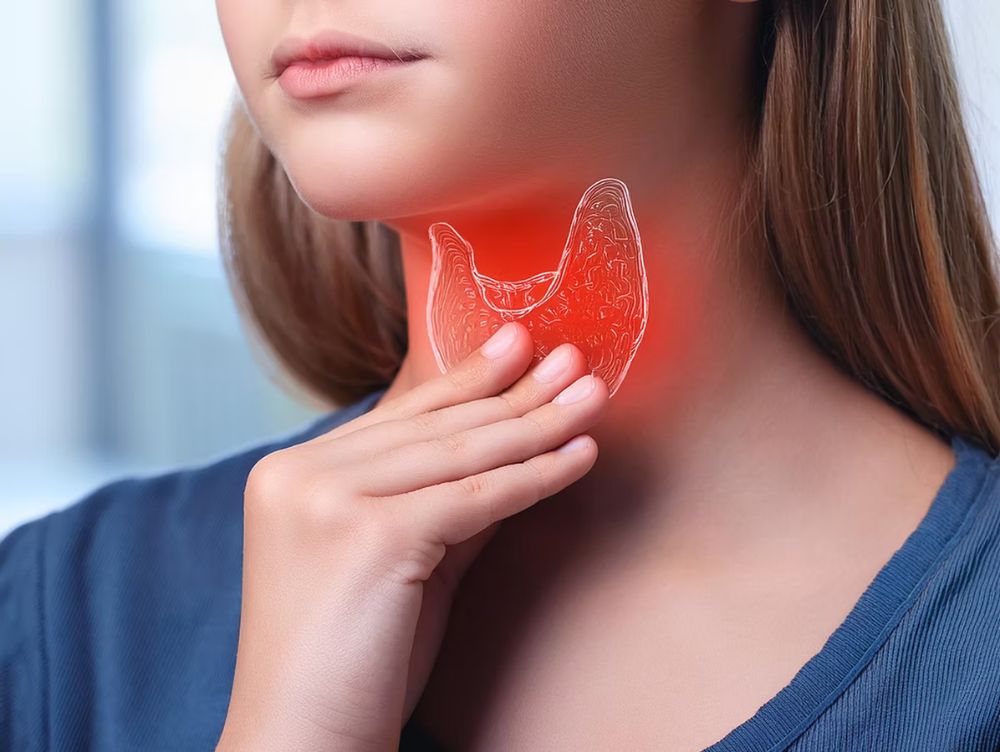
Adenoidid is a medical condition that affects the adenoids, which are small lymphatic glands located in the upper part of the throat, behind the nose. These glands play a vital role in the immune system, particularly in young children, by helping to fight off infections. However, when the adenoids become chronically enlarged or infected, they can lead to a condition known as adenoidid. This article will explore adenoidid in detail, including its symptoms, causes, diagnosis, and treatment options, while providing helpful advice for managing this condition effectively.
What is Adenoidid?
Adenoidid is essentially an inflammation or infection of the adenoids. The adenoids are part of the body’s lymphatic system, which helps in defending against pathogens such as bacteria and viruses. While adenoids typically shrink as a child grows older, sometimes they become chronically swollen or infected, resulting in adenoidid.
This condition is particularly common in children aged 3 to 7 years but can occasionally affect adults as well. When the adenoids are enlarged, they can obstruct the airway, causing breathing difficulties, recurrent infections, and other complications.
Causes of Adenoidid
The primary causes of adenoidid are infections and chronic inflammation. Some of the key factors that can lead to adenoidid include:
- Bacterial Infections: Adenoids can become infected with bacteria, leading to swelling, pus formation, and discomfort.
- Viral Infections: Viral illnesses such as the common cold or flu can trigger inflammation of the adenoids.
- Allergies: Allergic reactions can cause the adenoids to swell, especially in children with a history of asthma or seasonal allergies.
- Environmental Factors: Exposure to smoke, pollutants, and other irritants can increase the risk of adenoid inflammation.
- Repeated Infections: Frequent upper respiratory infections can cause persistent adenoid inflammation, leading to chronic adenoidid.
Symptoms of Adenoidid
Recognizing the symptoms of adenoidid is crucial for early diagnosis and effective treatment. Common symptoms include:
- Nasal Congestion: Chronic blockage in the nasal passage due to enlarged adenoids.
- Mouth Breathing: Difficulty breathing through the nose may lead to habitual mouth breathing.
- Snoring: Enlarged adenoids can obstruct airflow during sleep, causing loud snoring.
- Sleep Apnea: Severe cases may result in pauses in breathing during sleep.
- Frequent Ear Infections: Blocked Eustachian tubes due to enlarged adenoids can cause recurrent ear infections.
- Sore Throat and Difficulty Swallowing: Chronic inflammation may make swallowing painful.
- Voice Changes: A nasal-sounding voice due to blocked nasal passages.
- Behavioral Changes: Poor sleep can lead to irritability, hyperactivity, or difficulty concentrating in children.
Diagnosis of Adenoidid
Diagnosing adenoidid usually begins with a detailed medical history and physical examination. An ENT (ear, nose, and throat) specialist can perform the following assessments:
- Visual Examination: Using a special scope, the doctor can examine the size and condition of the adenoids.
- X-rays: Lateral neck X-rays may be used to check the size of the adenoids.
- Endoscopy: A flexible tube with a camera can provide a detailed view of the adenoids and surrounding structures.
- Hearing Tests: Since enlarged adenoids can affect the middle ear, hearing tests may be conducted.
- Allergy Testing: If allergies are suspected to be a contributing factor, testing may be recommended.
Accurate diagnosis is essential because symptoms of adenoidid can resemble those of other conditions, such as sinus infections, tonsillitis, or nasal polyps.
Treatment Options for Adenoidid
Treatment for adenoidid depends on the severity of symptoms and the age of the patient. Options include both medical management and surgical interventions.
1. Medical Management
Mild cases of adenoidid can often be managed with non-surgical approaches:
- Antibiotics: If a bacterial infection is present, antibiotics may be prescribed.
- Nasal Steroid Sprays: These sprays help reduce inflammation and shrink enlarged adenoids.
- Saline Nasal Rinses: Regular saline irrigation can help clear nasal passages and reduce irritation.
- Allergy Management: Identifying and managing allergies can prevent further swelling of the adenoids.
Medical management is often the first step, particularly for children under 3 years, where surgery may not be recommended unless absolutely necessary.
2. Surgical Intervention
When adenoidid causes severe symptoms or does not respond to medication, adenoidectomy, which is the surgical removal of adenoids, may be recommended.
- Adenoidectomy Procedure: This is a relatively quick outpatient surgery performed under general anesthesia. The surgeon removes the enlarged adenoids, relieving airway obstruction.
- Recovery: Most children recover within a week, with minimal pain. Full recovery may include a temporary sore throat and mild nasal congestion.
- Benefits: Surgery can significantly reduce snoring, sleep apnea, recurrent infections, and improve overall quality of life.
Surgical intervention is generally safe, but it’s important to discuss potential risks with the ENT specialist, such as bleeding or infection.
Complications of Untreated Adenoidid
If left untreated, adenoidid can lead to various complications, including:
- Chronic ear infections and hearing loss due to Eustachian tube blockage.
- Sleep disturbances, including obstructive sleep apnea.
- Speech problems caused by nasal obstruction.
- Facial growth abnormalities in children due to chronic mouth breathing.
- Recurrent sinus infections.
Early recognition and treatment are crucial to prevent these complications, especially in children, where long-term impacts on growth and development may occur.
Preventive Measures
While adenoidid cannot always be prevented, certain measures can reduce the risk of chronic inflammation or infection:
- Good Hygiene: Encourage regular handwashing to prevent infections.
- Avoid Smoke Exposure: Secondhand smoke can irritate the adenoids and respiratory tract.
- Manage Allergies: Controlling allergic reactions can prevent adenoid swelling.
- Prompt Treatment of Infections: Early management of colds and sinus infections can reduce the likelihood of adenoidid.
- Healthy Lifestyle: Proper nutrition, hydration, and adequate sleep support immune health.
Living with Adenoidid
Managing life with adenoidid requires awareness and proactive care:
- Regular Check-Ups: Routine ENT visits help monitor adenoid size and function.
- Monitor Symptoms: Keep track of breathing issues, sleep disturbances, and ear infections.
- Home Remedies: Use humidifiers, saline sprays, and ensure a smoke-free environment.
- Supportive Care: Encourage children to rest adequately, stay hydrated, and follow prescribed treatments.
With proper management, most patients experience significant improvement in symptoms and overall quality of life.
Conclusion
Adenoidid is a common but often overlooked condition that affects the adenoids, primarily in children. Characterized by swelling and inflammation, it can lead to breathing difficulties, recurrent infections, sleep disturbances, and other complications if untreated. Early diagnosis through physical examination, imaging, and specialist evaluation is crucial. Treatment may include medications for mild cases or surgical removal of adenoids in more severe cases.