

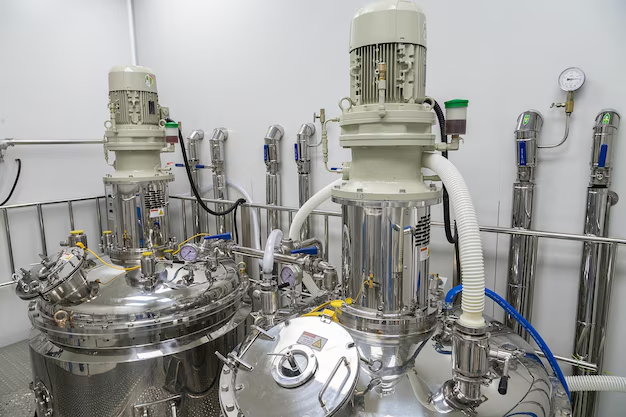
Chemical Vapor Deposition (CVD) machines are integral to modern manufacturing, particularly in semiconductor fabrication, coating technologies, and advanced materials production. However, one critical issue that technicians and engineers often encounter is gas buildup in manifold CVD machines. This problem, if left unchecked, can lead to reduced efficiency, safety hazards, and even costly downtime. Understanding the causes, risks, and prevention methods is crucial for anyone working with these advanced systems.
Understanding Manifold CVD Machines
Before diving into the specifics of gas buildup, it’s important to understand what a manifold CVD machine is.
CVD machines operate by depositing thin films of material onto a substrate through chemical reactions in the vapor phase. A manifold in these machines serves as a central hub, distributing process gases evenly to different parts of the system. Proper gas flow in the manifold is critical for achieving uniform coating and maintaining process stability.
The manifold system typically includes:
- Gas inlets: For introducing precursor gases.
- Valves: To control the flow rate of each gas.
- Distribution channels: To ensure even gas delivery.
- Exhaust lines: To remove excess or reacted gases safely.
When the manifold does not function correctly, gas can accumulate, creating what is known as gas buildup.
What Causes Gas Buildup in Manifold CVD Machines?
Several factors can contribute to gas buildup in a CVD machine’s manifold. Understanding these causes can help prevent potential issues.
1. Blocked or Clogged Manifold Channels
Over time, residues from precursor gases or reaction byproducts can deposit inside manifold channels. This accumulation restricts gas flow, leading to localized buildup. Common culprits include silicon-based or metal-organic precursors, which can leave sticky or solid deposits.
2. Improper Gas Flow Rates
Incorrectly calibrated flow rates for precursor or carrier gases can cause uneven distribution. If one gas flows too quickly or another too slowly, pressure may build up in certain manifold sections, increasing the risk of backflow or unintended reactions.
3. Valve Malfunction
Valves in the manifold control gas distribution. If a valve sticks or fails to operate properly, gas can accumulate in areas that are supposed to be vented. Regular maintenance and calibration are essential to avoid this scenario.
4. Leaks or Pressure Imbalances
Leaks in the manifold or connecting lines can disrupt gas flow, leading to pockets of high pressure where gases accumulate. Similarly, pressure imbalances between gas sources and the exhaust system can cause gas stagnation.
5. Inadequate Exhaust or Venting
CVD processes generate byproducts that need to be efficiently removed. If the exhaust system is partially blocked or undersized, gases may remain in the manifold, causing dangerous buildup.
Risks Associated with Gas Buildup
Gas buildup in manifold CVD machines is not just an operational issue; it can pose serious safety and production risks.
1. Safety Hazards
Accumulated gases, particularly flammable or toxic precursors, increase the risk of fires, explosions, or chemical exposure. Even inert gases, when trapped in confined spaces, can create pressure surges that damage equipment or injure personnel.
2. Reduced Coating Quality
CVD relies on precise gas delivery for uniform deposition. Gas buildup can create uneven flow, resulting in defects such as non-uniform thickness, poor adhesion, or unwanted chemical reactions on the substrate.
3. Equipment Damage
Excessive gas pressure or unintended reactions in the manifold can damage valves, seals, and other components. Over time, this leads to costly repairs and potential downtime in critical production lines.
4. Process Inefficiency
When gas buildup occurs, the system may require frequent purging or recalibration, reducing overall productivity. In extreme cases, the machine may need to be taken offline for extended maintenance.
Detecting Gas Buildup in CVD Machines
Early detection of gas buildup is crucial to prevent accidents and maintain process integrity. Signs of gas accumulation include:
- Pressure fluctuations: Unusual spikes or drops in manifold pressure indicate uneven gas distribution.
- Flow irregularities: Variations in mass flow controllers or inconsistent gas flow rates.
- Unusual deposits: Visible residues in valves or channels.
- Alarm triggers: Modern CVD systems often have sensors to detect overpressure or abnormal gas levels.
Regular monitoring using pressure gauges, flow meters, and diagnostic software can help identify issues before they escalate.
Prevention and Mitigation Strategies
Preventing gas buildup involves a combination of proper maintenance, monitoring, and operational practices.
1. Regular Cleaning and Maintenance
Routine cleaning of manifold channels, valves, and exhaust lines prevents residue buildup. Chemical cleaning agents designed for CVD systems can remove stubborn deposits without damaging components.
2. Optimized Gas Flow Management
Calibrating gas flow rates for each precursor and carrier gas ensures even distribution. Advanced mass flow controllers can automate adjustments to maintain stable conditions throughout the process.
3. Valve and Seal Inspections
Frequent inspection and replacement of valves, gaskets, and seals prevent leaks and ensure smooth gas flow. Even minor wear can contribute to gas accumulation over time.
4. Efficient Venting and Exhaust Systems
Designing manifolds with adequate exhaust capacity helps remove byproducts quickly. Vent lines should be checked regularly for blockages and leaks.
5. Automation and Monitoring Systems
Modern CVD machines can integrate sensors and software that continuously monitor pressure, flow, and gas composition. Alerts from these systems allow operators to respond immediately to potential gas buildup.
6. Staff Training and Safety Protocols
Operators must understand the risks associated with gas buildup and be trained in proper handling procedures. Emergency protocols should be established in case of unexpected pressure surges or leaks.
Advanced Solutions for Persistent Gas Buildup
For facilities experiencing recurrent issues with gas accumulation, advanced solutions can be implemented:
- Manifold redesign: Modifying channel geometry to reduce stagnation points.
- Chemical coatings: Applying anti-stick coatings inside manifolds to minimize residue buildup.
- Purge cycles: Automated periodic purging of gases to maintain flow and prevent accumulation.
- Redundant monitoring systems: Multiple sensors for pressure, flow, and chemical composition to detect anomalies early.
Investing in these strategies can significantly reduce downtime and improve the safety and efficiency of CVD operations.
Conclusion
Gas buildup in manifold CVD machines is a critical issue that affects safety, equipment longevity, and production quality. Understanding the causes, detecting early warning signs, and implementing preventative measures are essential for maintaining optimal performance in CVD processes. From routine maintenance to advanced monitoring systems, every step contributes to safer and more efficient operations.