

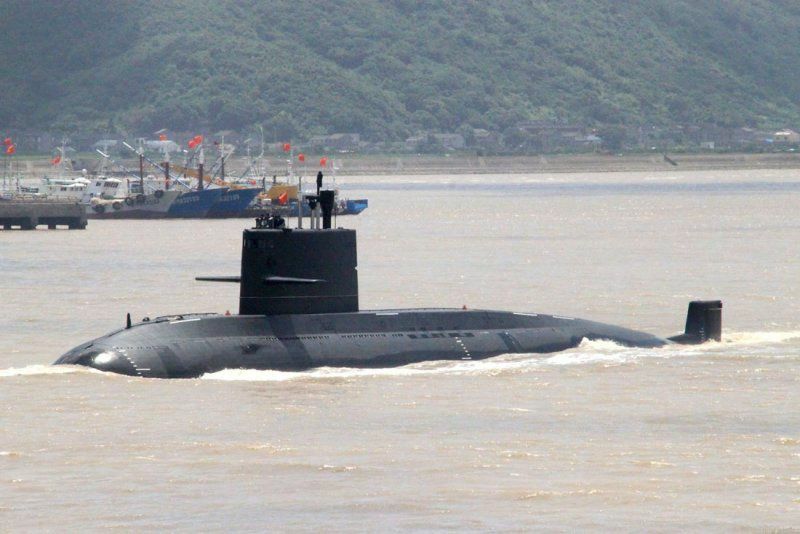
China’s growing naval power has become a major focus of global military analysis, especially with the expansion of its nuclear submarine fleet. Among the most critical assets in China’s maritime defense strategy is the Type 094 submarine, also known as the Jin-class ballistic missile submarine. Understanding Type 094 submarine operations China provides valuable insight into how Beijing ensures second-strike nuclear capability, enhances sea-based deterrence, and strengthens its position as a global military power.
This comprehensive guide explores the operational role, strategic importance, patrol patterns, technological features, and geopolitical impact of China’s Type 094 submarine operations.
Introduction to Type 094 Submarine Operations China
The Type 094 submarine is China’s first operationally credible nuclear-powered ballistic missile submarine (SSBN). Designed to carry submarine-launched ballistic missiles (SLBMs), it represents a key component of China’s nuclear triad, alongside land-based missiles and air-delivered nuclear weapons.
Type 094 submarine operations China focuses primarily on deterrence rather than combat, ensuring that China retains a survivable nuclear response even in the event of a first strike by an adversary.
Historical Background of the Type 094 Submarine
Before the Type 094, China relied on the older and less capable Type 092 Xia-class, which suffered from technological limitations and operational constraints. The Type 094 marked a significant leap forward, incorporating improvements in:
- Nuclear propulsion
- Missile capacity
- Crew endurance
- Command and control integration
China began deploying Type 094 submarines in the mid-2000s, gradually expanding operational patrols as missile technology matured.
Core Mission of Type 094 Submarine Operations China
The primary mission of Type 094 submarine operations China is strategic nuclear deterrence. These submarines are not designed for frequent engagement but instead focus on:
- Maintaining stealth during patrols
- Ensuring continuous at-sea deterrence
- Preserving survivability against detection
- Supporting China’s no-first-use nuclear doctrine
By remaining hidden underwater for extended periods, Type 094 submarines ensure that China can retaliate even if land-based missile systems are neutralized.
Patrol Areas and Operational Zones
South China Sea as a Strategic Hub
One of the most significant aspects of Type 094 submarine operations China is the use of the South China Sea as a patrol bastion. This region offers:
- Relatively deep waters
- Strong Chinese naval presence
- Proximity to key military bases
- Strategic positioning against regional and global rivals
Operating from protected bastions allows Type 094 submarines to reduce exposure while maintaining missile coverage over potential adversaries.
Bastion Defense Strategy
China’s submarine operations increasingly follow a bastion strategy, similar to Cold War-era practices. In this approach:
- Surface ships, aircraft, and sensors protect SSBN patrol zones
- Anti-submarine warfare (ASW) assets deny enemy access
- Submarines remain within controlled maritime regions
This approach enhances the survivability of Type 094 submarine operations China and reduces vulnerability to foreign tracking efforts.
Missile Capabilities and Strategic Reach
The effectiveness of Type 094 submarine operations China is closely tied to its missile systems. Each Type 094 submarine is capable of carrying multiple SLBMs, providing China with extended strike range and credible deterrence.
Key operational advantages include:
- Ability to launch missiles while submerged
- Increased targeting flexibility
- Reduced reaction time during crisis scenarios
- Enhanced second-strike reliability
As missile technology continues to evolve, the operational relevance of Type 094 submarines continues to grow.
Stealth and Acoustic Challenges
While Type 094 submarine operations China represent a major advancement, stealth remains an area of ongoing improvement.
Noise Reduction Efforts
Early assessments suggested the Type 094 was noisier than comparable submarines from other major powers. However, China has invested heavily in:
- Hull design improvements
- Advanced propeller systems
- Noise-dampening technologies
- Improved maintenance and crew training
These efforts aim to make Type 094 submarine operations China more survivable and less detectable during patrols.
Crew Training and Operational Readiness
Sustained submarine operations require highly trained crews capable of operating in isolated environments for months. China has expanded training programs focusing on:
- Nuclear reactor safety
- Missile launch procedures
- Underwater navigation
- Crisis response and command discipline
Enhanced training ensures that Type 094 submarine operations China maintain high readiness levels during deterrent patrols.
Command, Control, and Communication
One of the most complex challenges in SSBN operations is maintaining secure communication without compromising stealth.
Type 094 submarine operations China rely on:
- Very low frequency (VLF) communication systems
- Strict emission control protocols
- Pre-planned launch authorization structures
These systems ensure that submarines can receive orders while remaining hidden beneath the surface.
Role in China’s Nuclear Triad
China’s nuclear strategy depends on the balance between land, air, and sea-based forces. Type 094 submarine operations China strengthen the sea-based leg by providing:
- Survivable nuclear deterrence
- Flexibility in response options
- Reduced reliance on fixed launch sites
This balance enhances strategic stability and reduces incentives for preemptive attacks against China.
Regional and Global Security Implications
Impact on Asia-Pacific Stability
Type 094 submarine operations China have significant implications for regional security dynamics. Neighboring states and major powers closely monitor:
- Patrol frequency
- Deployment patterns
- Naval infrastructure expansion
The presence of Chinese SSBNs contributes to shifting strategic calculations across the Indo-Pacific region.
Strategic Signaling and Deterrence
China’s submarine operations also serve a signaling function. Occasional public acknowledgment of patrols demonstrates:
- Technological maturity
- Operational confidence
- Commitment to nuclear deterrence
This messaging reinforces China’s strategic posture without direct confrontation.
Comparison with Future Submarine Programs
While Type 094 submarine operations China remain central today, China is already planning next-generation SSBNs. These future platforms are expected to offer:
- Improved stealth
- Greater missile capacity
- Enhanced endurance
- More advanced command systems
Nevertheless, Type 094 submarines will continue to play a vital operational role for years as part of China’s evolving naval doctrine.
Challenges Facing Type 094 Submarine Operations China
Despite their importance, these operations face several challenges:
- Anti-submarine warfare advancements by rivals
- Undersea sensor networks
- Satellite and maritime surveillance growth
- Increasing operational complexity
China continues to adapt its tactics and technologies to address these evolving threats.
Strategic Importance of Type 094 Submarine Operations China
In summary, Type 094 submarine operations China are a cornerstone of China’s modern military strategy. They provide:
- Credible second-strike nuclear capability
- Enhanced strategic stability
- Greater operational flexibility
- Stronger deterrence posture
As global competition under the seas intensifies, the operational role of the Type 094 submarine will remain central to China’s defense planning.
Conclusion
The Type 094 submarine operations China reflect China’s determination to secure its nuclear deterrent and safeguard national security in an increasingly complex maritime environment. Through strategic patrols, bastion defense, advanced missile systems, and continuous modernization, these submarines ensure China’s ability to respond to any existential threat.