

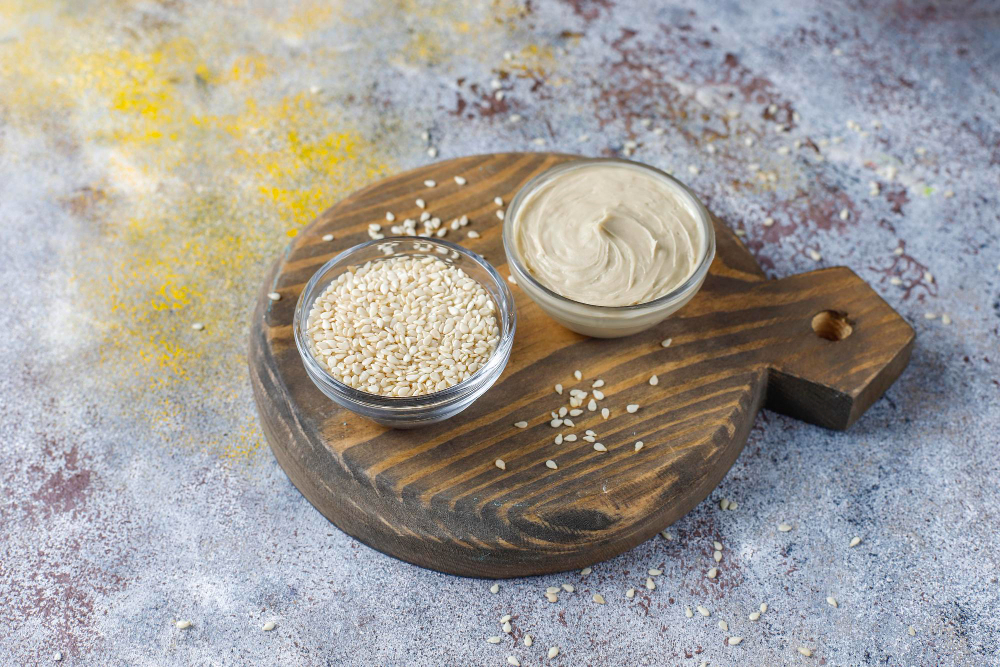
If you’ve ever wondered, “what’s tahini?”, you’re not alone. This creamy, nutty paste has become increasingly popular in kitchens around the world, especially in Middle Eastern and Mediterranean cuisine. From spreading it on toast to blending it into dips, tahini is a versatile ingredient that adds rich flavor and impressive nutrition to countless dishes.
In this comprehensive guide, we’ll explore what tahini is, where it comes from, how it’s made, its health benefits, and the many delicious ways you can use it at home. By the end, you’ll not only know what tahini is—you’ll be ready to make it a staple in your pantry.
What’s Tahini?
Tahini is a smooth paste made from ground sesame seeds. The word “tahini” comes from the Arabic word for “to grind,” which perfectly describes how it’s prepared. Sesame seeds are hulled (or sometimes left unhulled), lightly roasted, and then ground into a creamy consistency similar to peanut butter.
Unlike sweet nut spreads, tahini has a slightly bitter, earthy, and nutty flavor. It’s commonly used in savory dishes but can also be added to desserts for depth and creaminess.
Tahini is a key ingredient in popular dishes such as hummus and baba ghanoush, and it’s widely used in Middle Eastern, North African, and Mediterranean cooking.
The Origins of Tahini
Tahini has ancient roots dating back thousands of years. Sesame seeds are one of the oldest cultivated oilseed crops in the world. Historical records suggest that sesame was grown in ancient Mesopotamia and parts of Africa and India.
Tahini became especially prominent in Middle Eastern cuisine. Countries like Lebanon, Israel, Turkey, and Greece have long used sesame paste in traditional recipes. Over time, tahini spread across the globe and is now a popular ingredient in Western kitchens as well.
Today, tahini can be found in most grocery stores, often in the health food aisle or near nut butters.
How Is Tahini Made?
Understanding how tahini is made can help you appreciate its texture and flavor.
Here’s a simple breakdown of the process:
1. Harvesting Sesame Seeds
Sesame seeds are harvested once the seed pods mature and dry out. The seeds are tiny, oval-shaped, and usually white, though they can also be black or brown.
2. Hulling (Optional)
Some tahini is made from hulled sesame seeds (outer shell removed), resulting in a smoother and milder paste. Unhulled tahini retains the outer shell, making it slightly more bitter and richer in nutrients.
3. Roasting
The sesame seeds are lightly roasted to enhance their natural nutty flavor. Some brands use raw seeds for a milder taste.
4. Grinding
The roasted seeds are ground into a thick paste. High-quality tahini should have a creamy, pourable consistency similar to natural peanut butter.
That’s it—no complicated ingredients required. Traditional tahini contains just one ingredient: sesame seeds.
What Does Tahini Taste Like?
If you’re asking, “what’s tahini taste like?” here’s what to expect:
- Nutty and earthy
- Slightly bitter (especially unhulled varieties)
- Rich and creamy
- Mildly toasted flavor
When mixed with lemon juice, garlic, or spices, tahini transforms into a smooth, flavorful sauce. Its bitterness mellows and blends beautifully with other ingredients.
Nutritional Benefits of Tahini
Tahini isn’t just delicious—it’s also packed with nutrients. Here’s why it’s considered a superfood:
1. Rich in Healthy Fats
Tahini contains heart-healthy unsaturated fats that may support cardiovascular health.
2. Excellent Source of Plant-Based Protein
It’s a great protein option for vegetarians and vegans.
3. High in Calcium
Sesame seeds are naturally high in calcium, making tahini beneficial for bone health.
4. Loaded with Antioxidants
Tahini contains lignans and other antioxidants that help protect your body from oxidative stress.
5. Good Source of Vitamins and Minerals
It provides magnesium, iron, phosphorus, zinc, and B vitamins.
Because of its nutrient density, tahini fits well into balanced diets, including vegan, vegetarian, Mediterranean, and plant-based eating plans.
Popular Dishes That Use Tahini
Tahini plays a starring role in many traditional recipes. Some of the most popular include:
Hummus
A creamy dip made from chickpeas, tahini, lemon juice, garlic, and olive oil.
Baba Ghanoush
A smoky eggplant dip blended with tahini, garlic, and lemon.
Tahini Sauce
A simple mixture of tahini, lemon juice, water, and garlic, often drizzled over falafel or grilled meats.
Halva
A sweet dessert made from tahini and sugar, popular in Middle Eastern and Mediterranean countries.
How to Use Tahini at Home
If you’re new to tahini, you might be wondering how to incorporate it into your meals. Here are some simple ideas:
1. Salad Dressings
Mix tahini with lemon juice, garlic, olive oil, and water for a creamy dressing.
2. Smoothies
Add a spoonful to smoothies for extra creaminess and nutrients.
3. Toast Topping
Spread tahini on toast and drizzle with honey or date syrup.
4. Baking
Use tahini in cookies, brownies, or cakes for a nutty twist.
5. Sauces and Marinades
Blend tahini into sauces for roasted vegetables, grilled chicken, or tofu.
6. Soups and Stews
Stir tahini into soups for added richness.
Its versatility makes it a pantry staple for both savory and sweet dishes.
Types of Tahini
Not all tahini is the same. Here are the main varieties:
Hulled Tahini
- Smoother and creamier
- Milder flavor
- Most commonly available
Unhulled Tahini
- Slightly more bitter
- Higher in fiber
- Darker color
Raw Tahini
- Made from unroasted sesame seeds
- Lighter flavor
When choosing tahini, look for one with minimal ingredients—ideally just sesame seeds.
How to Store Tahini
Proper storage helps maintain flavor and freshness.
- Keep unopened tahini in a cool, dry place.
- After opening, store it in the refrigerator.
- Stir well before use, as natural oil separation is common.
Tahini typically lasts several months if stored properly.
Is Tahini Healthy for Weight Loss?
Tahini is calorie-dense due to its healthy fat content. However, it can support weight management when used in moderation. The healthy fats and protein help keep you full longer, reducing unnecessary snacking.
Instead of viewing it as a high-calorie food, think of tahini as a nutrient-dense addition to a balanced diet.
Can You Make Tahini at Home?
Yes! Homemade tahini is simple to prepare.
Ingredients:
- 1 cup sesame seeds
- 2–4 tablespoons neutral oil (optional)
Instructions:
- Lightly toast sesame seeds in a pan.
- Let them cool slightly.
- Blend in a food processor until smooth.
- Add oil gradually if needed for a creamier texture.
Homemade tahini may be slightly thicker than store-bought versions but is equally delicious.
Tahini vs. Peanut Butter: What’s the Difference?
Though they look similar, tahini and peanut butter differ significantly:
| Feature | Tahini | Peanut Butter |
|---|---|---|
| Main Ingredient | Sesame Seeds | Peanuts |
| Flavor | Nutty & slightly bitter | Sweet & nutty |
| Common Use | Savory dishes | Sweet spreads |
| Cultural Origin | Middle Eastern | American |
Tahini is generally less sweet and more versatile in savory cooking.
Is Tahini Allergy-Friendly?
Tahini is naturally:
- Gluten-free
- Dairy-free
- Vegan
However, it contains sesame, which is a common allergen. Always check for sesame allergies before consuming.
Final Thoughts: What’s Tahini and Why Should You Try It?
So, what’s tahini? It’s a creamy, nutrient-rich sesame seed paste with deep roots in ancient cuisine and modern kitchens alike. Whether you’re making hummus, baking cookies, or creating a salad dressing, tahini adds depth, nutrition, and versatility to your meals.