

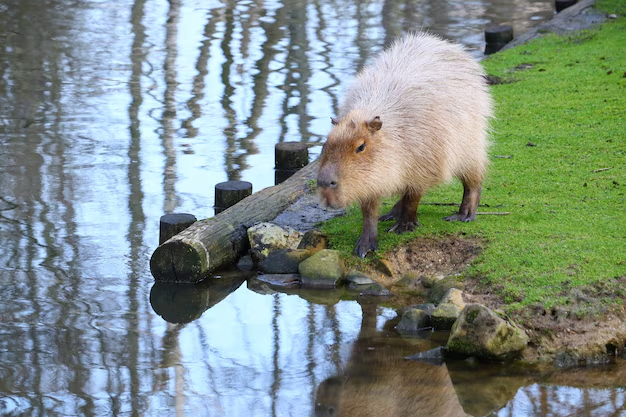
When most people think of rodents, the first images that come to mind are usually mice, rats, or squirrels. Rarely do people picture a gentle, semi-aquatic creature the size of a small dog. Enter the capybara, the world’s largest rodent, native to South America and renowned for its calm demeanor and sociable nature. Understanding the capybara life span provides fascinating insights into their behavior, health, and the environments in which they thrive.
What is a Capybara?
Before delving into their lifespan, it’s important to understand the basics about these unique rodents. Capybaras are members of the hydrochoeridae family and are closely related to guinea pigs. Adult capybaras can weigh anywhere from 35 to 66 kilograms (77 to 145 pounds), with an average height of about 50 to 60 centimeters (20–24 inches) at the shoulder. Their large, barrel-shaped bodies, short heads, and webbed feet make them excellent swimmers, allowing them to inhabit riverbanks, wetlands, and lakesides with ease.
Capybaras are herbivores, feeding primarily on grasses, aquatic plants, fruits, and tree bark. They are highly social animals, often living in groups that can range from 10 to 20 individuals, although gatherings of up to 100 have been observed in areas with abundant food resources.
Average Life Span of a Capybara
The capybara life span varies depending on whether the animal lives in the wild or in captivity. In their natural habitats, capybaras face a range of threats including predators such as jaguars, anacondas, and caimans, as well as environmental hazards like droughts and floods. These natural pressures generally result in a shorter life span, with wild capybaras typically living between 6 to 10 years.
In contrast, capybaras in captivity benefit from regular feeding, medical care, and protection from predators. As a result, their life expectancy is significantly higher. Captive capybaras can live up to 12 years, and in some cases, reports suggest that they may reach 14 years or more under optimal conditions.
Factors Affecting Capybara Life Span
Several factors influence the longevity of capybaras. Understanding these can help wildlife enthusiasts, zookeepers, and pet owners provide better care for these gentle giants.
1. Predation and Environmental Threats
In the wild, predation is a major determinant of life span. Young capybaras are particularly vulnerable to predators. Adults, though large, are not immune and rely on water as an escape route. Environmental challenges, such as habitat destruction, seasonal flooding, and droughts, also play a role in reducing life expectancy.
2. Diet and Nutrition
Diet plays a critical role in a capybara’s health and longevity. In the wild, they graze on grasses that provide necessary fiber for their digestive system. Malnutrition, either from limited food availability or poor diet in captivity, can significantly reduce their lifespan. In contrast, capybaras with consistent access to a balanced diet rich in fiber, fruits, and vegetables tend to live longer and maintain better overall health.
3. Social Environment
Capybaras are highly social creatures, and their social environment directly impacts their lifespan. Living in groups provides protection from predators and helps reduce stress. Loneliness or isolation, common in poorly managed captive situations, can lead to stress-related illnesses, lowering life expectancy.
4. Health Care and Veterinary Support
One of the main advantages of life in captivity is access to veterinary care. Regular check-ups, vaccinations, and treatment for parasites and infections can significantly increase a capybara’s life span. Diseases that might be fatal in the wild are often manageable under human care, allowing captive capybaras to thrive for over a decade.
5. Genetics
Like many animals, genetics play a role in the capybara life span. Some individuals may naturally have stronger immune systems or slower aging processes, contributing to longer lives. Breeding programs in zoos often aim to maintain genetic diversity to promote healthier, longer-lived populations.
Life Stages of a Capybara
Understanding the life stages of a capybara helps contextualize their life span and behavior.
1. Infancy
Capybara babies, called pups, are born after a gestation period of about 150 days. Litter sizes typically range from 2 to 8 pups. Pups are precocial, meaning they are born fully furred, with open eyes, and can move shortly after birth. However, they rely on their mother for nourishment and protection during the first few weeks of life. Survival during infancy is critical, as predation and environmental hazards are highest at this stage.
2. Juvenile Stage
Juvenile capybaras grow rapidly, often doubling in size within the first year. They start grazing alongside adults but continue nursing occasionally. Socialization during this period is crucial for learning group behaviors, communication, and survival skills. This stage can last up to 1–2 years, depending on environmental conditions.
3. Adulthood
Capybaras reach sexual maturity around 18 months to 2 years of age. Adults continue to grow slowly until about 3–4 years old. During adulthood, their life expectancy in the wild ranges from 6–10 years, while in captivity, it can extend to 12–14 years or more. Adult capybaras are known for their calm temperament, forming strong social bonds within their groups.
4. Senior Stage
As capybaras age, their activity levels may decline. Older capybaras can develop health issues such as arthritis, dental problems, and reduced immune function. In captivity, attentive care can help manage these conditions and extend their life, whereas in the wild, older capybaras often fall prey to illness, injury, or predation.
Capybara Life Span in Different Regions
Capybaras are native to South America, and their life span can vary depending on the country and habitat. They are found in countries like Brazil, Venezuela, Colombia, Argentina, and Peru. In regions with abundant water and vegetation, capybaras tend to live longer due to a stable food supply and protection from extreme conditions. In contrast, in areas where wetlands are drying up or where hunting pressure is high, their life span may be shorter.
The Role of Captivity in Extending Life Span
Captive environments such as zoos, wildlife sanctuaries, and private facilities offer several advantages that contribute to a longer capybara life span:
- Consistent Nutrition: A diet tailored to meet their nutritional needs.
- Veterinary Care: Prompt treatment for illness, injury, and parasites.
- Protection: No predation and reduced risk from environmental hazards.
- Social Stability: Stable groups to encourage natural social behavior.
In captivity, some capybaras have been known to live up to 14 years, highlighting the impact that proper care and protection can have on longevity.
Common Misconceptions About Capybara Life Span
There are several misconceptions about capybara life span that are worth addressing:
- “Capybaras live only a few years.”
While wild capybaras face natural threats that may reduce life span, those in protected environments can live well over a decade. - “Capybaras grow indefinitely.”
Capybaras grow rapidly in their first few years but reach a stable adult size. Growth slows significantly after maturity. - “Capybaras are solitary animals.”
Capybaras are inherently social, and isolation can actually shorten their life span due to stress and depression.
Tips for Increasing Capybara Life Span in Captivity
For those who keep capybaras in captivity, maximizing life span requires attention to diet, environment, and social needs. Key recommendations include:
- Provide a Balanced Diet: High-fiber grasses, leafy greens, fruits, and occasional vegetables. Avoid processed foods or excessive starches.
- Ensure Access to Water: Capybaras are semi-aquatic and need ponds, pools, or streams to swim in daily. Swimming keeps them physically and mentally healthy.
- Encourage Social Interaction: Keep capybaras in compatible groups. They thrive in social environments and exhibit stress when isolated.
- Regular Health Checkups: Monitor for dental issues, parasites, and signs of illness. Early intervention can prevent life-threatening conditions.
- Maintain Clean and Safe Habitats: Avoid overcrowding and ensure hygiene to prevent infections and injuries.
Conclusion
The capybara life span is influenced by a combination of environmental, social, dietary, and genetic factors. While wild capybaras typically live 6–10 years, captive individuals can reach 12–14 years with proper care. Understanding the factors that contribute to their longevity not only enhances the well-being of capybaras in human care but also provides valuable insight into their behavior, social structures, and adaptability in the wild.