

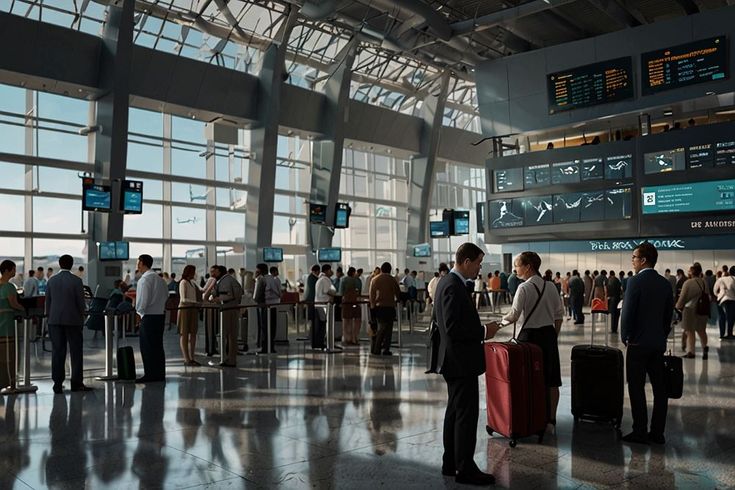
Air travel has become an essential part of modern life, connecting cities, families, and businesses across the globe. For residents and travelers using Jacksonville International Airport (JAX), recent changes in flight services have sparked curiosity and concern. Specifically, Jacksonville flight discontinuations are affecting travel plans, airline operations, and local economic dynamics. In this comprehensive guide, we’ll explore why flights are being discontinued, what this means for passengers, and how travelers can adapt to these changes.
Understanding Flight Discontinuations
Flight discontinuation refers to the permanent or temporary removal of a specific flight route by an airline. This can occur for a variety of reasons, including low demand, operational costs, competition from other airlines, or broader economic pressures. While travelers may notice fewer options for their favorite routes, these decisions are often strategic, aiming to optimize airline efficiency and profitability.
In Jacksonville, flight discontinuations have affected both domestic and international routes. While the airport continues to serve as a vital hub for Northeast Florida, some popular destinations may no longer have direct flights, requiring passengers to adjust their travel strategies.
Key Reasons Behind Jacksonville Flight Discontinuations
1. Economic Pressures
One of the primary reasons airlines discontinue routes is economic viability. Operating a flight involves numerous costs, including fuel, crew salaries, aircraft maintenance, airport fees, and more. If a route fails to attract enough passengers or generate sufficient revenue, airlines may find it unsustainable. Jacksonville, while a growing city, may see fluctuating passenger demand on certain routes, prompting carriers to reassess their offerings.
2. Changes in Airline Strategies
Airlines continually evaluate their networks to maximize efficiency. Sometimes, this means discontinuing less profitable routes to focus on high-demand destinations. For example, if a particular Jacksonville route to a smaller city does not attract sufficient traffic, airlines may redirect their resources to more popular hubs like Atlanta, Dallas, or Charlotte.
3. Impact of External Factors
External factors such as fuel price fluctuations, global events, or regulatory changes can also influence flight discontinuations. During periods of high operational costs or travel restrictions, airlines may prioritize their most profitable or strategically significant routes, which can result in Jacksonville losing certain flights.
4. Airline Mergers and Acquisitions
When airlines merge or acquire competitors, they often streamline overlapping routes. This consolidation can lead to discontinuations, particularly in mid-sized markets like Jacksonville. While mergers can lead to better service on remaining routes, some passengers may lose direct flight options.
Notable Jacksonville Flight Discontinuations
In recent years, Jacksonville has seen several flight changes. Some airlines have reduced service frequency, while others have completely removed certain routes. While specific airlines and routes vary, common trends include:
- Reduction in regional flights connecting smaller cities in Florida or neighboring states.
- Discontinuation of less popular international flights, particularly to destinations with limited passenger demand.
- Shift in focus to larger hubs, meaning travelers may need to connect through cities like Atlanta, Charlotte, or Dallas for long-haul flights.
These discontinuations can significantly affect travelers who relied on direct flights for business, leisure, or family visits.
How Jacksonville Flight Discontinuations Affect Travelers
1. Increased Travel Time
When direct flights are discontinued, travelers may need to take connecting flights, resulting in longer travel times. For example, a direct flight from Jacksonville to a mid-sized city may now require a connection through a major hub, adding hours to the journey.
2. Higher Travel Costs
Discontinued flights can also impact ticket prices. Direct flights are often more economical than itineraries with multiple connections. With fewer direct options, travelers may face higher costs due to added connections, longer layovers, or limited availability.
3. Impact on Business Travel
Businesses that rely on frequent air travel may need to adjust plans. Jacksonville-based companies may face longer trips, less convenient schedules, and increased expenses, which can affect productivity and operational efficiency.
4. Local Economy Implications
Flight discontinuations can also influence Jacksonville’s local economy. Reduced connectivity may affect tourism, limit access for business conferences, and influence decisions by companies considering relocation to the area. Airports thrive on passenger volume, and fewer flights can reduce revenue streams for the airport and surrounding businesses.
Strategies for Travelers Facing Discontinued Flights
Despite the challenges, there are ways for travelers to adapt:
1. Check Alternative Airports
Jacksonville is conveniently located near several airports, including Orlando International Airport (MCO) and Tampa International Airport (TPA). For some destinations, it may be more efficient to fly from a nearby airport, especially if a direct Jacksonville route is no longer available.
2. Plan for Connecting Flights
While less convenient, connecting flights can still get travelers to their desired destinations. Booking in advance and selecting optimal layovers can reduce travel fatigue and unexpected delays.
3. Flexible Travel Dates
Airlines often adjust routes seasonally. Being flexible with travel dates can help travelers take advantage of available flights, even if a preferred route is temporarily discontinued.
4. Explore Alternative Carriers
Some discontinued routes may still be serviced by smaller airlines or regional carriers. Researching all available options, including low-cost carriers, can uncover viable alternatives.
5. Consider Multimodal Travel
For nearby destinations, combining air travel with other transportation options like trains, buses, or car rentals may offer a practical solution. For instance, if a direct flight from Jacksonville is discontinued, driving to a nearby airport with better connectivity could be more efficient.
The Future of Jacksonville Air Travel
While Jacksonville flight discontinuations can be inconvenient, they are also part of the evolving landscape of air travel. The city’s airport continues to grow and attract new carriers and routes, reflecting the broader trend of increased connectivity in the Southeastern United States.
Airport authorities and local government are actively seeking solutions to maintain Jacksonville’s status as a key travel hub. Initiatives include:
- Incentives for airlines to maintain and expand routes.
- Improvements in airport infrastructure to handle more flights efficiently.
- Marketing campaigns to increase passenger demand on underutilized routes.
With these efforts, it is likely that Jacksonville will continue to see new routes, while discontinued flights may be replaced by more efficient or in-demand services.
Tips for Staying Updated on Jacksonville Flight Changes
For travelers who frequently fly out of Jacksonville, staying informed is crucial. Here are some strategies:
- Subscribe to airline newsletters: Airlines often notify subscribers about route changes, new services, or discontinuations.
- Monitor airport announcements: Jacksonville International Airport regularly updates its website and social media channels with flight information.
- Use flight tracking apps: Apps can alert travelers about schedule changes, cancellations, and alternative options.
- Book early: Early bookings can secure seats on remaining or new routes before they fill up.
Conclusion
Flight discontinuations in Jacksonville reflect the complex interplay between airline strategy, economic factors, and passenger demand. While these changes can pose challenges for travelers and local businesses, staying informed and flexible can help minimize disruptions. Jacksonville International Airport remains a vital hub in Florida, and the city continues to attract airlines and new routes, ensuring that residents and visitors have access to a growing network of destinations.