

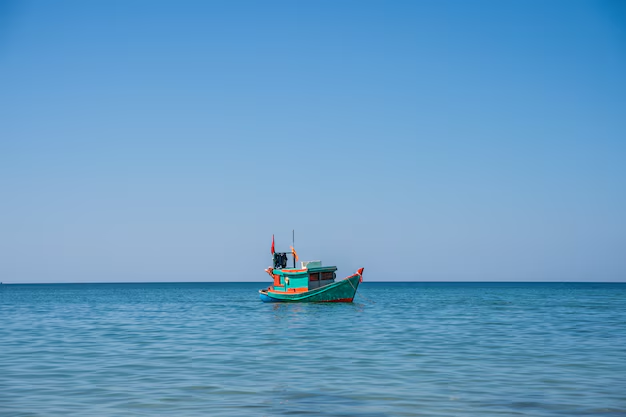
When discussing one of the largest reservoirs in the United States, many people write “lake texoma” without a second thought. However, in formal writing, Lake Texoma should be capitalized. Capitalization is not just a stylistic choice—it communicates respect for proper nouns and ensures clarity in your writing. In this article, we’ll explore why Lake Texoma should be capitalized, the rules behind proper nouns, and tips for writing about geographic names correctly.
What is Lake Texoma?
Before diving into capitalization rules, it’s helpful to understand what Lake Texoma is. Located on the border of Texas and Oklahoma, Lake Texoma is a massive reservoir created by the Denison Dam on the Red River. Covering over 89,000 acres of water and more than 180,000 acres of surrounding land, it is one of the largest reservoirs in the United States.
Lake Texoma is not just a body of water—it’s a hub for recreation, wildlife, and tourism. Visitors come for fishing, boating, camping, and hiking, making it a popular destination for both locals and travelers from other states. Because it is a distinct, named location, it qualifies as a proper noun. And as a proper noun, it must always be capitalized in writing.
Why Lake Texoma Should Be Capitalized
Capitalization rules in English can sometimes be confusing, but proper nouns are a key exception. Proper nouns refer to specific names of people, places, or organizations, unlike common nouns, which refer to general items or concepts. Here’s why Lake Texoma should be capitalized:
- It is a specific place: There is only one Lake Texoma, making it a unique identifier. Writing it as “lake texoma” incorrectly treats it like a generic lake.
- Respect for geographic names: Proper capitalization acknowledges the official name of a location. This is especially important in formal writing, journalism, and tourism content.
- Consistency in communication: Capitalizing Lake Texoma helps avoid confusion. For instance, “lake texoma” might be misread as any lake in Texas or Oklahoma, rather than the specific reservoir.
- SEO benefits: From a digital marketing perspective, correctly capitalizing Lake Texoma improves search engine recognition. Search engines understand that capitalized terms often indicate a proper noun, increasing the chances your content appears in relevant searches.
Rules for Capitalizing Geographic Names
Capitalization in English has a few key rules that apply to geographic names:
- Always capitalize the specific name of a location: This includes lakes, rivers, mountains, parks, and cities. Examples: Lake Michigan, Mount Everest, Grand Canyon.
- Do not capitalize generic terms unless they start a sentence: Words like “lake,” “river,” or “mountain” are only capitalized when paired with a proper noun. For example, we say “Lake Texoma” but not “the lake.”
- Capitalize directional names when part of a proper noun: For instance, North Texas is capitalized because it refers to a specific region. However, “northern Texas” is lowercase because it’s descriptive rather than a proper name.
- Capitalize official landmarks and recreation areas: Lake Texoma State Park, Denison Dam, and Eisenhower State Park all follow capitalization rules because they are proper nouns.
By following these rules, writers ensure clarity, professionalism, and accuracy in their work.
Common Mistakes Writers Make
Even experienced writers sometimes forget that Lake Texoma should be capitalized. Some common mistakes include:
- Writing “lake texoma” as though it were any generic lake.
- Using lowercase for headlines or social media posts, thinking casual writing allows flexibility.
- Forgetting to capitalize in long-form content, especially when the term appears repeatedly.
Correcting these mistakes is simple: always treat Lake Texoma as a proper noun, whether it appears in a blog post, article, email, or social media update.
Why Proper Capitalization Matters
You might wonder why it’s important to capitalize Lake Texoma if everyone understands what you mean. The answer lies in professionalism, readability, and digital presence:
- Professionalism: Proper capitalization demonstrates attention to detail and respect for language conventions. Readers trust writers who follow grammar rules.
- Readability: Capitalizing proper nouns helps readers instantly recognize when a specific place, person, or organization is mentioned.
- Search Engine Optimization (SEO): Search engines recognize proper nouns and often prioritize capitalized terms in searches. For tourism websites or blogs discussing Lake Texoma, correct capitalization can help your content rank higher for keywords.
How to Write About Lake Texoma
When writing content about Lake Texoma, consider the following tips:
- Use full proper nouns: Always write “Lake Texoma” instead of “Texoma Lake” or “the lake” in formal content.
- Include geographic context: Mention that Lake Texoma is located on the Texas-Oklahoma border. This adds value for readers unfamiliar with the area.
- Highlight features and activities: Discuss recreational activities, wildlife, camping spots, and scenic views to engage your audience.
- Maintain consistency: If your content mentions Lake Texoma multiple times, ensure capitalization is consistent throughout the text.
Example paragraph:
Visitors to Lake Texoma can enjoy world-class fishing, with largemouth bass and striped bass being popular catches. The lake’s clear waters and scenic shoreline make it an ideal spot for boating, hiking, and camping. Whether planning a weekend getaway or a week-long vacation, travelers will find that Lake Texoma offers something for everyone.
Fun Facts About Lake Texoma
Adding interesting facts about Lake Texoma can make your writing more engaging and help with SEO:
- Size and Scope: Lake Texoma covers nearly 90,000 acres of water, making it one of the largest reservoirs in the United States.
- Recreational Paradise: With over 70 miles of shoreline, the lake provides plenty of space for boating, swimming, and camping.
- Wildlife: The area is home to bald eagles, deer, and migratory birds, making it a popular spot for nature enthusiasts.
- Fishing Destination: Lake Texoma is renowned for its striped bass population, attracting anglers from all over the country.
- Accessibility: Located just 90 minutes north of Dallas, the lake is a convenient getaway for weekend travelers.
Mentioning these features not only adds value for readers but also gives search engines more context about why Lake Texoma is significant.
Conclusion: Always Capitalize Lake Texoma
In summary, whenever you refer to this remarkable body of water, remember that Lake Texoma should be capitalized. Doing so respects the rules of English grammar, enhances clarity, and ensures your writing appears professional. Proper capitalization also supports SEO, making your content more discoverable to those seeking information about this iconic Texas-Oklahoma destination.